
Forest management and concessions are the focus of discussions during the Legal Amazon Regional Meeting at the Federal Prosecution Service (MPF)



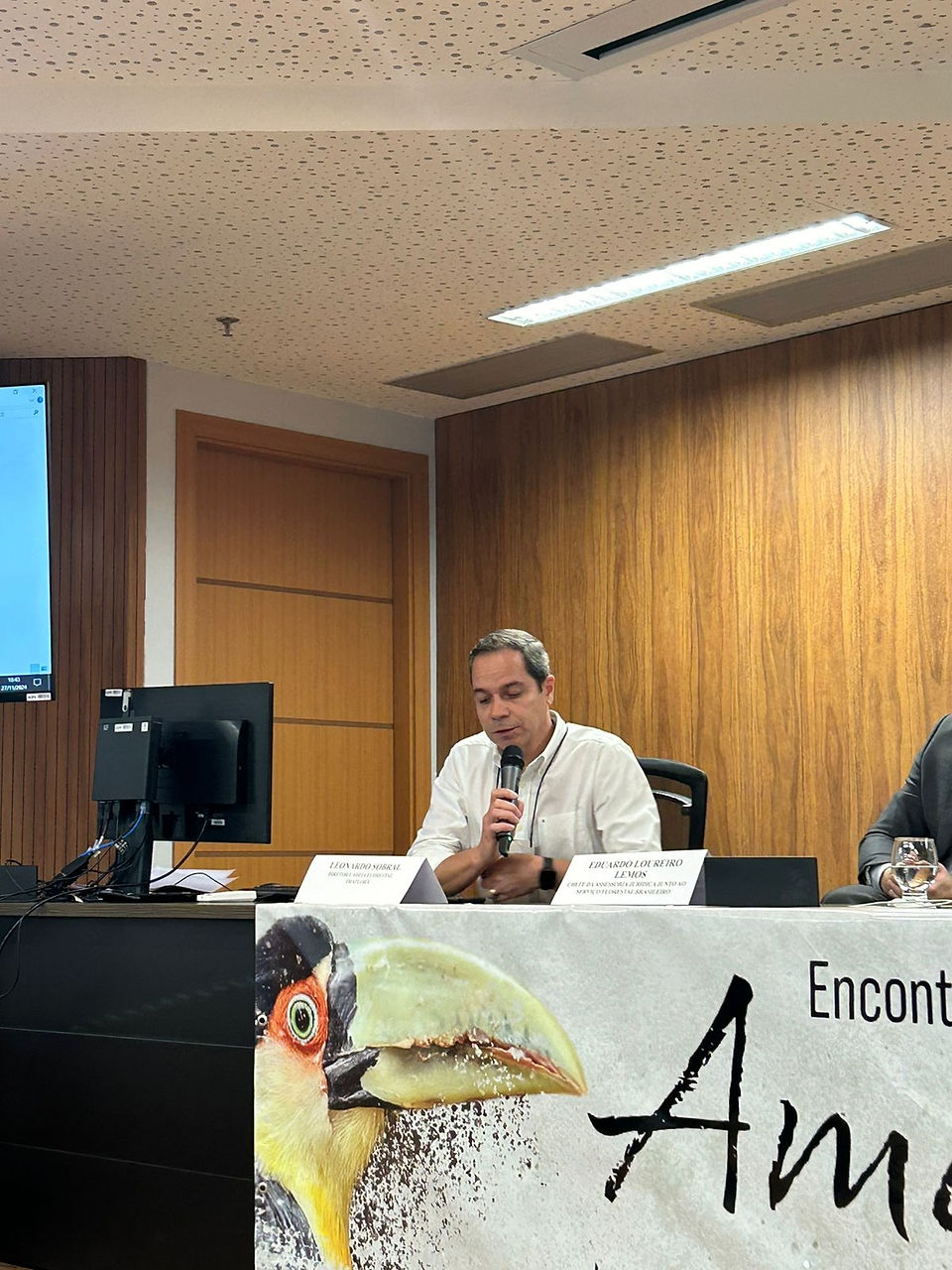

The Legal Amazon Regional Meeting, organized by the Environment and Cultural Heritage Chamber of the Federal Prosecution Service (4CCR), began this Wednesday (27) in Belém (PA), focusing on the relationship between environmental crimes and illicit practices such as corruption, land grabbing, and money laundering. The event, which runs until Friday (29), brings together members of the MPF, experts, authorities, and representatives of environmental institutions to discuss priority strategies and share experiences in environmental protection.
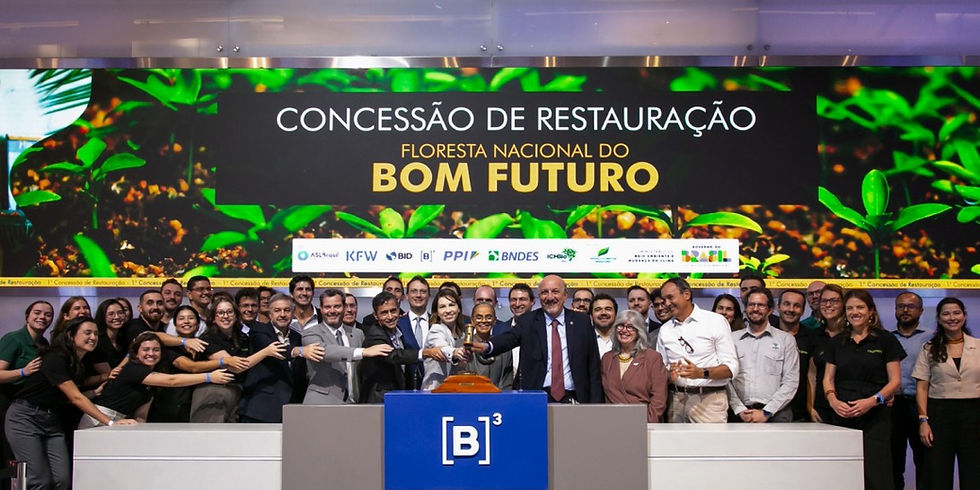
The event included the participation of the Brazilian Forest Service (SFB). On the occasion, Renato Rosenberg, Director of Forest Concessions at the SFB, highlighted the role of forest concessions in the sustainable management of public forests. According to data presented, between 2011 and 2023, the model produced more than 2.4 million cubic meters of legal and sustainable timber, generating R$ 194 million in federal revenue. He also presented the new concession model focused on forest restoration, which already has a public bidding notice launched for the Bom Futuro National Forest (RO), with a projection to restore 14,000 hectares and remove 5.8 million tonnes of CO₂ equivalent.
Forest management instruments
Forest concessions were presented as a tool regulated by the Public Forest Management Law No. 11,284/2006, which delegates to the private sector, through public bidding, the sustainable exploitation of forest products and services in public areas for up to 40 years. The process prioritizes low environmental impact practices, continuous monitoring, and socioeconomic benefits for local communities.
During the event, Cristina Galvão Alves, General Coordinator for Forest Concession Contract Management at the SFB, highlighted the importance of public consultations conducted in implementation regions. She explained that this process seeks to incorporate the demands of local communities into forest management policies, promoting dialogue and transparency. Eduardo Loureiro Lemos, Head of the Legal Advisory Office at the Brazilian Forest Service, also took part in the panel discussion.
Interinstitutional dialogue
Imaflora, a partner of the SFB in advancing the forest concession agenda in Brazil, was represented by Leonardo Sobral, Director of Forests and Restoration. Sobral emphasized that sustainable forest management, in addition to conserving biodiversity, promotes the formalization of the forest economy and contributes to achieving the country’s climate targets.
“Sustainable forest management enables the responsible use of resources, conserving biodiversity and generating social and economic benefits for communities,” Sobral stated. He also highlighted the role of forest concessions in promoting low-impact practices, such as selective harvesting, and in generating formal employment.
The event also addressed other topics related to the environmental agenda, including the impact of extreme climate events, the judicialization of environmental issues, and the link between environmental crimes and illicit practices such as corruption and money laundering. Data presented by Deputy Prosecutor General Luiza Frischeisen indicate that, in 2024, wildfires affected more than four million hectares of native forests in the Amazon.
The SFB plans to expand forest concessions from 1.3 million hectares to 5 million by 2026, aiming to increase job creation, income generation, and public revenue, while strengthening environmental conservation.
The event reinforced the need for coordination among public institutions, civil society organizations, and the private sector to implement effective strategies for conservation and sustainable management in the Amazon.


Comments